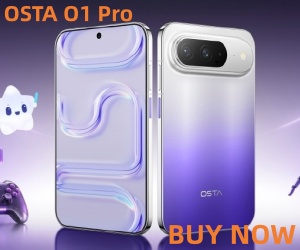


- Brand: OSTA (Xingmang), a technology brand developed by Huawei.
- Development: Approximately three years in preparation before its November 2026 launch.
- Main Focus: AI-powered experiences, new product designs, and technology innovation.
- Initial Strategy: Build brand recognition and test new technologies rather than prioritize short-term sales growth.
Huawei has spent around three years preparing its new OSTA (Xingmang) brand. But the company does not expect it to deliver high sales or business targets in the next one to two years. Its immediate task is to build brand recognition, attract a core group of users, and test new AI technologies and smartphone experiences.
Huawei representatives shared these details in recent interviews with Chinese media, including National Business Daily. Their comments offer a clearer picture of why OSTA took so long to launch and how Huawei plans to use the new brand.
Rather than positioning OSTA as a cheaper alternative to its existing smartphones, Huawei appears to be giving it room to experiment with products and features that may eventually find their way into the company’s wider device lineup.
Why Huawei Took Three Years to Launch OSTA
OSTA had been under internal development for approximately three years before its official launch in November 2026.
Huawei representatives explained that the company had several priorities to address following HONOR’s separation from Huawei. It spent a considerable period rebuilding its supply chain and technology capabilities before shifting major resources toward HarmonyOS and its application ecosystem.
The company only considered itself ready to launch another smartphone brand after these foundations had developed further.
The timing also helps explain why OSTA is arriving now rather than shortly after HONOR became independent. Huawei first needed to strengthen its own hardware and software capabilities before taking on another brand project.
What Is OSTA? Huawei’s New Smartphone Brand Explained
Huawei Is Not Setting Aggressive Sales Targets for OSTA
One of the more revealing comments from the interview concerns the brand’s sales expectations.
Huawei does not plan to put excessive pressure on OSTA to deliver high sales or operating results during its first one to two years.
A Huawei representative said the priority during this period is to establish the brand in consumers’ minds and build a clear identity.
In other words, OSTA will have time to find its audience. Huawei wants to see whether consumers respond to its products and new AI experiences before pushing for larger sales volumes.
This is an unusual starting point for a smartphone brand launching with a device priced in the premium segment. The OSTA O1 Pro starts at CNY 5,699 in China, putting it close to established Huawei flagship models.
The company has not disclosed specific sales targets or explained when it expects OSTA to become a larger business.
Huawei’s Trademark Filings Show OSTA Was Planned Well in Advance
Huawei’s trademark activity provides further evidence that the brand was not a last-minute decision.
Public records show that Huawei Technologies applied to register the Chinese-language name “Huawei Xingmang” in 2023. The company also submitted additional trademark applications in 2026.
Its OSTA trademark applications cover a range of technology products, including smartphones, tablets, smartwatches, smart glasses, and chips.
These filings suggest that Huawei has considered a broader identity for OSTA. They do not, however, confirm that products in all these categories are currently being developed or will be released.
For now, the OSTA O1 Pro is the brand’s first product and the clearest indication of its intended direction.
OSTA Will Have Its Own Brand and Development Team
OSTA will share key technologies with Huawei’s main product lineup, including Kirin processors, HarmonyOS, imaging technology, and Kunlun Glass.
However, Huawei says the new brand will manage its own branding, product planning, and user community.
Its research and development team is gradually becoming more independent, with dedicated organizational arrangements and budgets. After-sales service will use the same service standards and support system as Huawei’s main brand.
This gives OSTA some separation from Huawei’s existing product teams without requiring it to build an entirely new technology and service infrastructure.
Its initial sales strategy will be mainly online. Selected Huawei-owned retail stores will also carry OSTA products, allowing customers to try features such as its new AI interactions in person.
OSTA O1 Pro Gives Huawei Another Way to Explore Smartphone Designs
The choice of a wide-screen phone for OSTA’s first product is also worth noting.
In September 2026, Huawei introduced the Pura X View, bringing a wider display format to a conventional smartphone design. The OSTA O1 Pro continues this approach with a 6.39-inch screen and a body measuring 87mm across.
Smartphone manufacturers have spent years improving processors, cameras, and displays. While these components continue to evolve, changes to the physical design offer another way to make a phone stand out.
A wider screen changes how users hold and interact with a device, particularly when reading, watching videos, or using applications designed for the format. It also gives Huawei an opportunity to explore how its software and AI functions work on a different screen layout.
The OSTA O1 Pro therefore serves two purposes: introducing a new brand and testing a less conventional smartphone design.
A Place to Test AI Features Before They Reach More Huawei Phones
Huawei representatives also described OSTA as a place to introduce new technologies that may not yet be ready for widespread use across the company’s main product range.
Some AI features require more testing before they can be offered to a broader audience. OSTA gives Huawei a way to put these functions into the hands of users who are more willing to try new experiences and provide feedback.
The process is relatively straightforward: introduce a feature through an OSTA device, observe how people use it, collect feedback, and improve it through further development. Technologies that prove reliable and useful could later be considered for Huawei’s wider product lineup.
This does not mean every OSTA feature will eventually appear on Mate or Pura phones. Huawei has not outlined a specific transfer schedule. But the interview makes clear that technology testing is part of the new brand’s purpose.
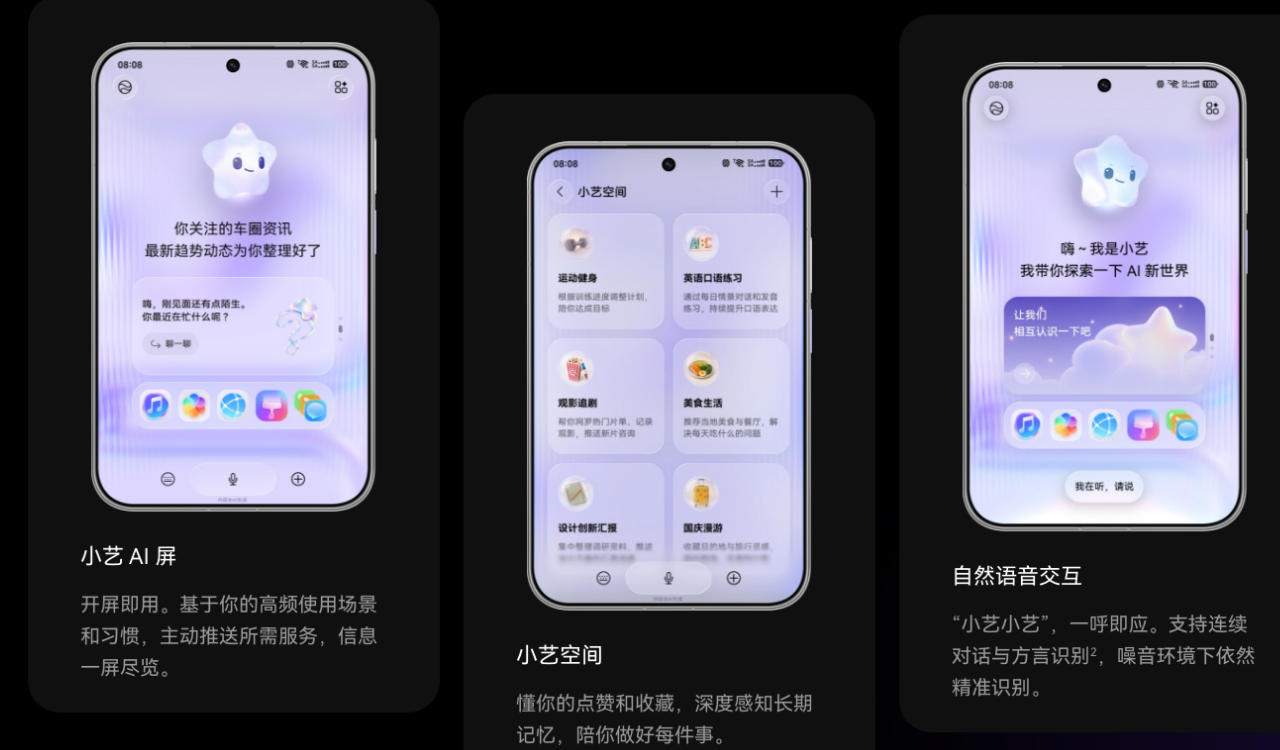
The AI companion on the OSTA O1 Pro, known as Xiaoxingmang, is one example. Users can interact with it through conversation and assign tasks through Xiaoyi Space. The company is encouraging early adopters to share suggestions as the experience develops.
Whether users find these features useful in everyday situations will matter more than the number of AI functions listed in the phone’s specifications.
OSTA Is Not Simply a Replacement for HONOR
OSTA’s arrival may invite comparisons with HONOR’s former position within Huawei, but the two brands appear to have different starting points.
HONOR helped Huawei reach a wider range of smartphone buyers through a separate product identity and more accessible pricing. OSTA, at least in its early stage, is taking a different approach.
The OSTA O1 Pro starts at CNY 5,699, so it is not being introduced as a budget alternative to Mate or Pura phones. Its main points of distinction are the wide-screen design and the AI features Huawei wants to develop through the brand.
That strategy has an obvious challenge. Consumers already have established Huawei product lines to choose from, and a new name alone is unlikely to persuade them to spend several thousand yuan.
OSTA will need to show what its products can do differently and why those differences matter in daily use.
What Comes Next for Huawei’s New Brand?
Huawei’s comments suggest that OSTA’s first two years will be less about chasing shipment figures and more about establishing a recognisable product identity.
The company has already outlined a model in which OSTA shares Huawei’s technology platforms but maintains its own product planning, development resources, and community operations.
Its trademark filings also leave open the possibility of products beyond smartphones, although Huawei has not announced a broader launch plan.
For now, the OSTA O1 Pro is the brand’s first test. How users respond to its wide-screen design and Xiaoxingmang AI companion, and how quickly Huawei improves those features, will help determine what the brand becomes.
Huawei spent three years preparing OSTA. It is now giving the new brand another one to two years to establish itself.
OSTA Chief Responds to Questions Over O1 Pro Pricing: “We Chose Innovation First”
FAQ:
What is Huawei OSTA?
OSTA, also known as Xingmang (星芒) in Chinese, is a new technology brand developed by Huawei. It focuses on AI-powered product experiences, new smartphone designs, and emerging technologies. Its first smartphone is the OSTA O1 Pro.
Is OSTA owned by Huawei?
Yes. OSTA is a Huawei-developed brand. It shares Huawei’s technology platforms, including Kirin processors, HarmonyOS, imaging technologies, and Kunlun Glass, while maintaining its own brand and product operations.
Why did Huawei spend three years developing OSTA?
Huawei representatives explained that the company first needed to rebuild parts of its supply chain and technology infrastructure following HONOR’s separation. It also prioritized HarmonyOS development and its application ecosystem before launching another smartphone brand.
Will OSTA compete with HONOR?
OSTA’s current positioning is different from the traditional value-oriented strategy associated with HONOR when it was part of Huawei. OSTA is initially focused on AI experiences, product innovation, and building a dedicated user community rather than competing primarily on lower prices.
What is the purpose of the OSTA brand?
Huawei intends to use OSTA to establish a new brand identity, attract early adopters, and test emerging AI technologies and product experiences. Some technologies may eventually be considered for broader use across Huawei’s main product lineup.
What is the first OSTA smartphone?
The first product is the OSTA O1 Pro, a wide-screen smartphone featuring the Kirin 9030S processor, HarmonyOS 7.0, a 200MP main camera, a 50MP periscope telephoto camera, and a 7,000mAh typical-capacity battery.
Will OSTA launch products beyond smartphones?
Huawei’s OSTA trademark applications cover several technology categories, including tablets, smartwatches, smart glasses, and chips. These filings indicate broader brand protection but do not confirm that products in all these categories are planned for release.