


Wide-screen smartphones could soon become a more common option in the Android flagship market, rather than remaining a design mainly associated with Huawei.
In a recent post, tipster Digital Chat Station said the move toward wider smartphone designs is becoming difficult to stop. According to the leak, several Android manufacturers are considering adding wide-screen models to their flagship lineups, alongside conventional smartphones.
No manufacturer has confirmed these plans, and the information currently comes from the tipster rather than official notifications. However, Huawei’s early progress with the format and the appearance of other wide-screen devices suggest that more brands are at least exploring the idea, indicating growing market interest.
What Makes a Wide-Screen Phone Different?
Unlike conventional smartphones, which have become increasingly tall and narrow, wide-screen phones use shorter, broader displays with proportions closer to 16:9.
The difference is noticeable in everyday use. Videos can make better use of the available screen area, while the shorter body may be easier to reach with one hand. The wider layout also offers a different experience for reading and browsing.
Huawei has been among the first major manufacturers to push this design beyond the experimental stage.
Huawei Has Given the Format an Early Market Test
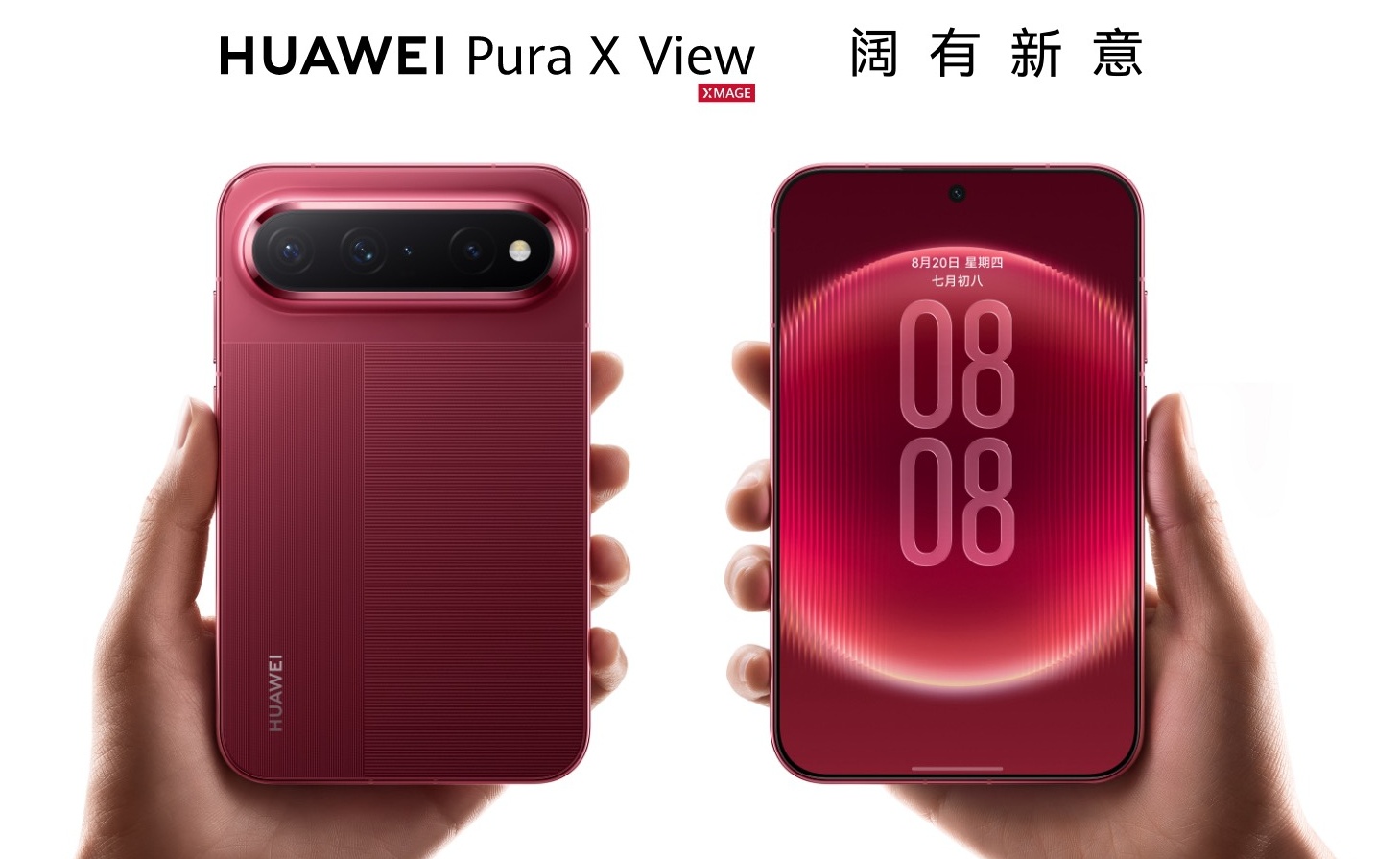
Huawei’s Pura X View has provided the clearest indication so far that consumers are willing to consider a wide-screen smartphone.
Previous reports said the device surpassed one million activated units within 66 days of its launch. While that figure does not put it among the biggest flagship launches by volume, it suggests the format has enough traction to make other manufacturers take it seriously.
For smartphone brands competing in an increasingly crowded market, a different screen shape offers a way to stand out without depending exclusively on another processor or camera upgrade.
Other Android Manufacturers Are Exploring the Design
Coolpad has already brought the COOL X Wide to market, reportedly making it the first Android phone to adopt this wide-screen slab format.
The device went on sale earlier this month, with prices ranging from CNY 999 to CNY 1,399 (approximately $150–$210). Its specifications comprise a 6.38-inch 720p display with a 90Hz refresh rate, a MediaTek Helio G99 processor, and a 50MP main camera.
This is an entry-level device compared to Huawei’s premium models. Still, its arrival shows that the wider format is not limited to expensive smartphones.
More interesting developments may be coming at the higher end of the market. Separate leaks have mentioned a wide-screen smartphone in development with a Dimensity 9-series processor, a custom narrow-bezel 16:9 display, and a 200MP rear camera. The manufacturer behind this device has not been identified, so its connection to any particular brand remains unclear.
There are also reports of an OPPO wide-format foldable featuring a 2nm Snapdragon platform and a 200MP camera. This is a different product category from a conventional wide-screen phone, but it suggests that manufacturers are exploring wider displays in more than one form factor.
Wide-Screen and Regular Flagships Could Become Separate Product Lines
Digital Chat Station also offered some insight as to how these devices might slot into Android manufacturers’ existing lineups.
According to the tipster, brands could sell wide-screen and conventional slab phones as two parallel options. The regular flagship would remain the higher-positioned model, while the wide-screen version would sit below it.
Under this approach, a wide-screen phone would not replace the standard flagship. Instead, buyers would have another choice within the same product family, potentially at a lower price.
The tipster also expects small-screen smartphones to become less common. If wider devices take over part of the market traditionally served by compact phones, consumers looking for something easier to handle may have fewer reasons to choose a conventional small-screen model.
Whether this prediction proves accurate remains to be seen. A shorter body does not automatically make a phone easier to hold, particularly when the overall width increases.
Will Wide-Screen Phones Become a Mainstream Flagship Option?
The next important step will be seeing whether a major Android manufacturer launches a wide-screen phone as part of its established flagship series, rather than keeping it in a separate experimental product line.
Sales will be just as important. Huawei’s early results and the launch of lower-priced alternatives show interest in the format. Still, it is too early to know whether demand will remain strong after the initial novelty wears off.
For now, wide-screen smartphones remain a relatively small part of the market. But with more manufacturers reportedly looking at the design, the format could become a more meaningful part of the Android flagship market rather than a niche associated mainly with Huawei.
OSTA O1 Pro Debuts with Kirin 9030S, 200MP Camera and 7,000mAh Battery